


blog
- Home
- blog
Palisade Fence for Industrial Facilities: Security and Durability
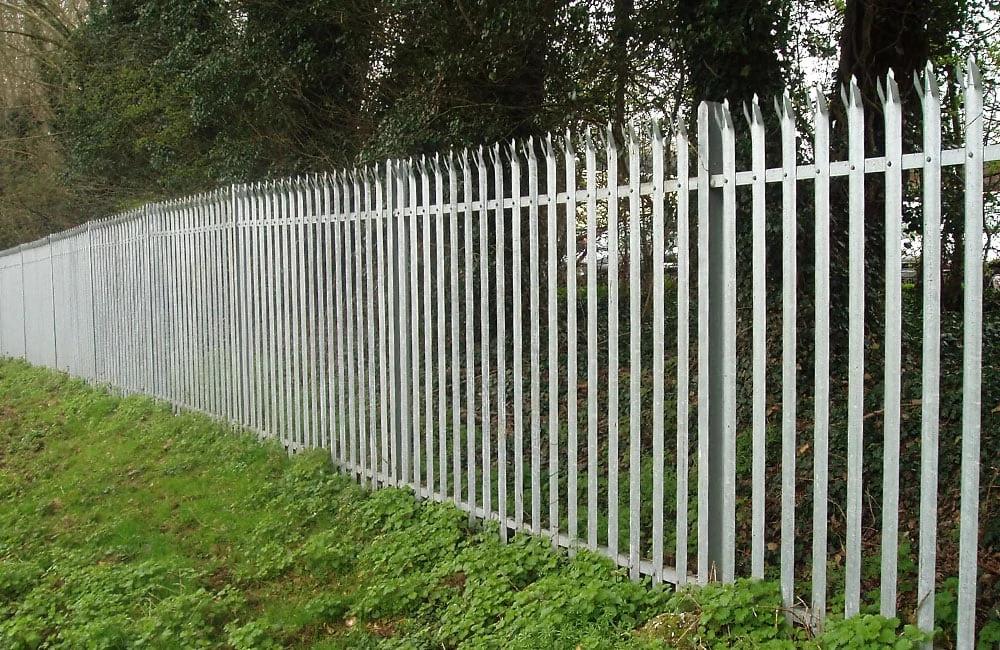
1. Palisade Fence features vertical steel pales, horizontal rails and support posts, creating a rigid physical barrier that helps protect factories, warehouses, power stations and other industrial facilities. 2. Available in D-section and W-section pale profiles, Palisade Fence can be customized to meet different security, structural and appearance requirements. 3. Key specifications include pale profile and thickness, fence height, pale spacing, horizontal rail dimensions, post structure, fixing methods and top design. 4. Galvanized and powder-coated finishes help improve corrosion resistance in outdoor environments. Selecting the right coating system according to local conditions is essential for long-term performance.
What Makes 358 Security Fence Different from Standard Mesh Fencing?
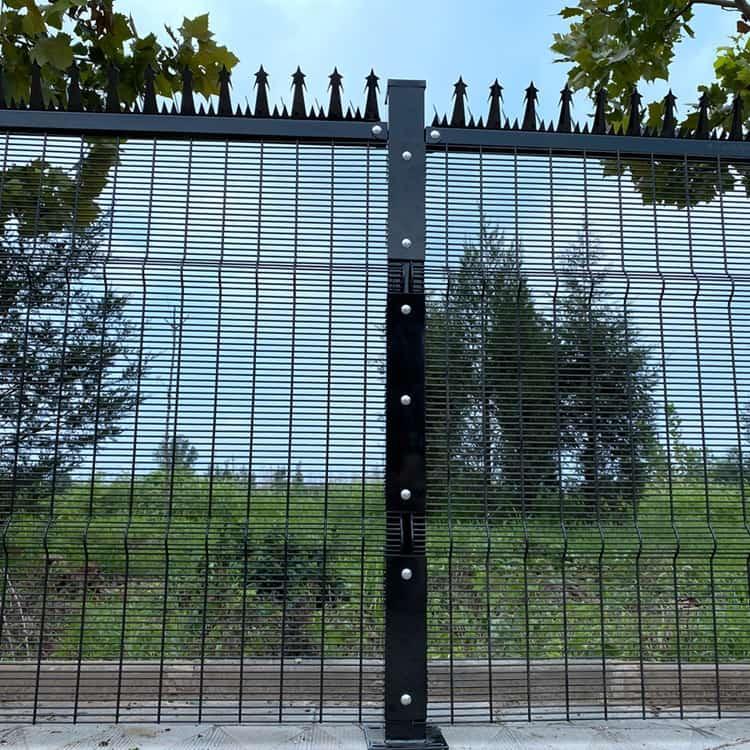
1. 358 Security Fence features a small mesh opening of 76.2 × 12.7 mm and approximately 4.0 mm steel wire, making it more difficult to climb or cut through than standard welded mesh fencing. 2. With its anti-climb design, cutting resistance and good visibility, 358 fencing provides enhanced perimeter protection for prisons, airports, power stations, industrial facilities and restricted areas. 3. Key specifications to consider include mesh opening, wire diameter, panel dimensions, post structure, fixing accessories and surface treatment to ensure the fencing system meets project security requirements. 4. Galvanizing and powder coating help protect 358 Security Fence against corrosion. Proper manufacturing quality control, installation and packaging also contribute to its long-term performance.
Custom Airport Fence Specifications for Different Security Projects
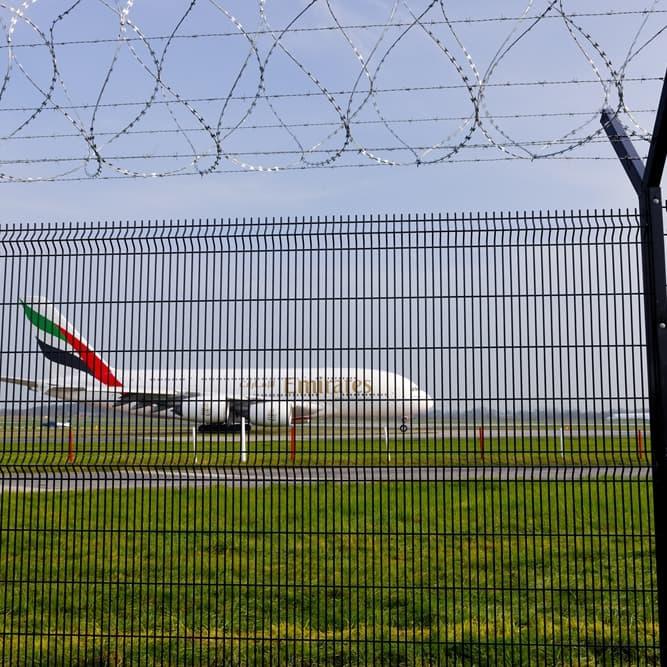
1. Airport fences protect runways, aircraft facilities, maintenance areas and restricted zones from unauthorized access. Different airport areas require fencing systems with suitable security levels and specifications. 2. 358 anti-climb fences provide enhanced perimeter protection with small mesh openings of approximately 76.2 × 12.7 mm, making climbing and cutting more difficult while maintaining good visibility. 3. Welded mesh fences and chain link fences are also suitable for selected airport facilities, maintenance areas, warehouses and lower-security zones, depending on project requirements. 4. Choosing the right airport fence involves evaluating fence height, wire diameter, mesh opening, post dimensions, anti-climb features, gates and corrosion protection to ensure reliable long-term performance.
How to Choose the Right Crowd Control Barrier for Your Needs
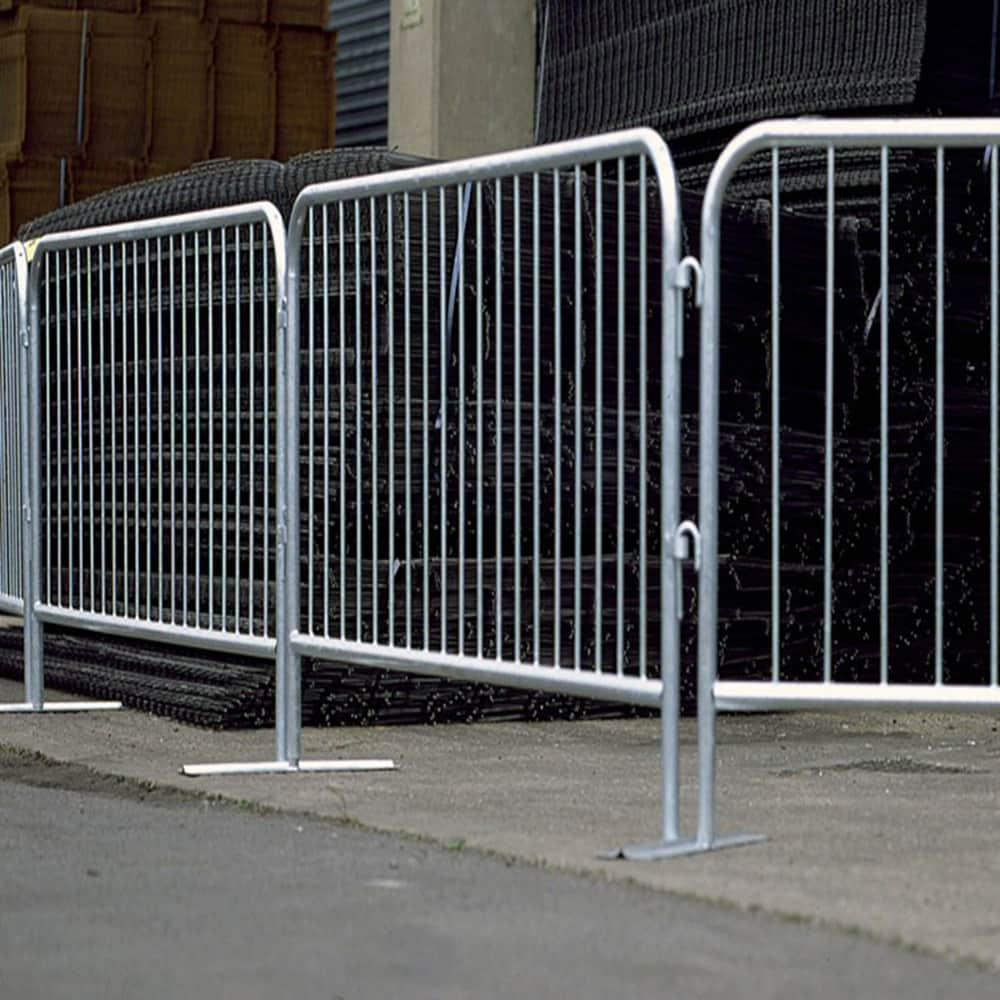
1. Crowd Control Barriers help manage pedestrian movement, organize queues and separate restricted areas at concerts, festivals, sporting events, construction sites and public gatherings. 2. Standard pedestrian barriers, mesh barriers and heavy-duty barriers offer different features. The right type depends on the application, required strength and frequency of handling. 3. Key purchasing factors include frame diameter and thickness, barrier dimensions, mesh specifications, base stability, connection methods and corrosion protection. 4. For outdoor applications, galvanized and powder-coated finishes can help protect barriers against corrosion. Buyers should also confirm project requirements, loading conditions, product quality and packaging before ordering.

What Is the Difference Between Knuckle and Twist Edges on Chain Link Fence?
1. Knuckle edges feature smooth, folded wire ends that reduce the risk of accidental scratches, making them suitable for residential areas, schools and sports facilities. 2. Twist edges have exposed pointed wire ends that provide an additional physical deterrent against climbing, making them suitable for industrial sites, warehouses and restricted-access areas. 3. K/K, K/T and T/T describe different combinations of knuckle and twist finishes. Buyers should confirm which edge will face upward after installation. 4. Choosing the right Chain Link Fence requires considering wire diameter, mesh opening, edge finish, surface treatment, accessories and corrosion protection to meet project requirements.
Custom Stadium Fence Specifications for Different Sports Projects
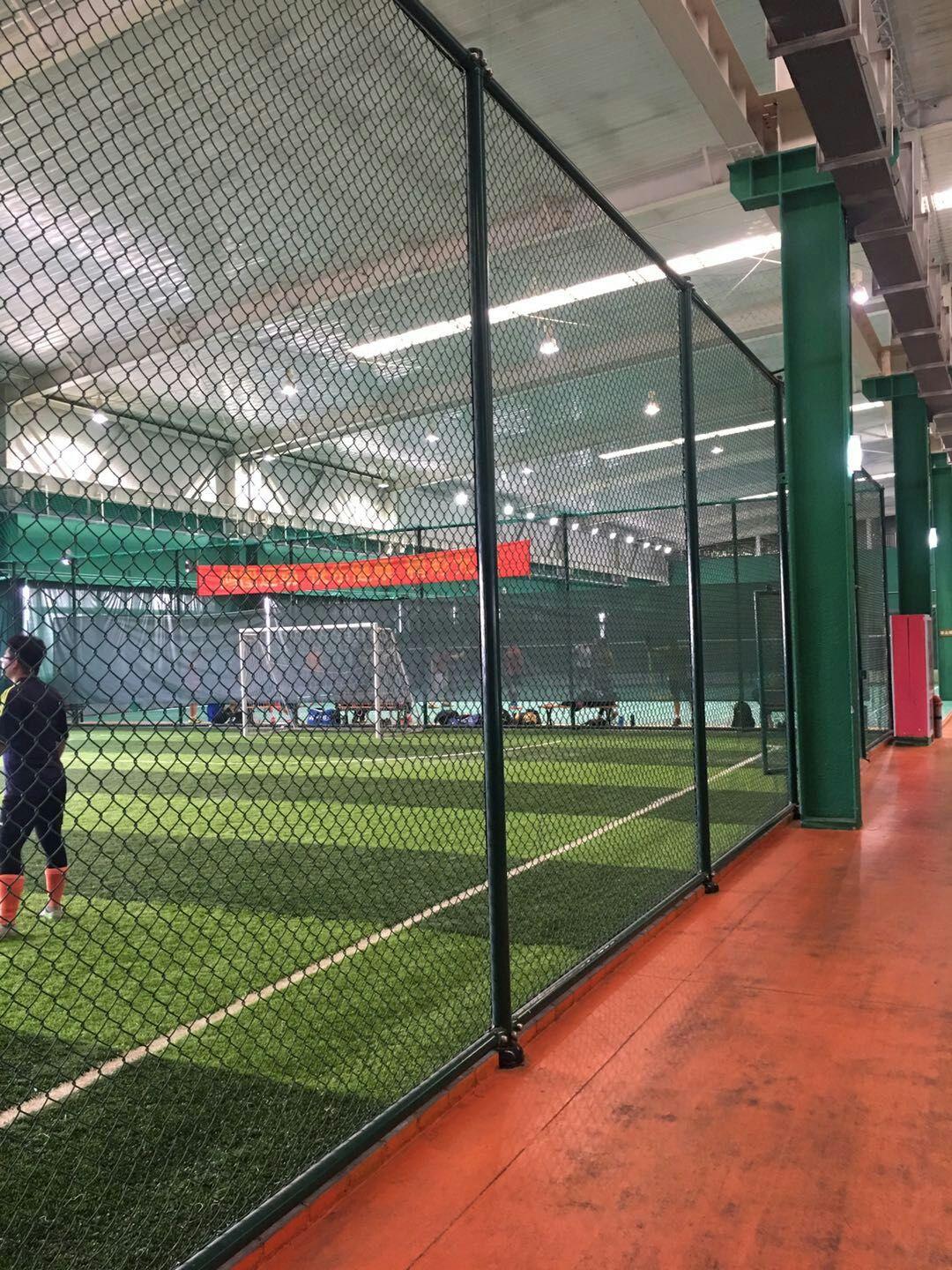
1. Stadium fences should be customized according to different sports requirements. Football fields need effective ball containment, basketball courts require impact resistance, and tennis courts need suitable mesh openings to prevent balls from passing through. 2. Welded mesh and chain link fencing are common options for sports facilities, offering different advantages in structural rigidity, flexibility, visibility and ball containment. 3. Wire diameter, mesh opening, panel height, post strength and foundation design all influence the stability and performance of a stadium fence system. 4. Proper corrosion protection, consistent manufacturing quality and suitable accessories help stadium fences withstand outdoor conditions and support long-term sports facility projects.
Why Is 3D Fence a Popular Choice for Perimeter Protection?
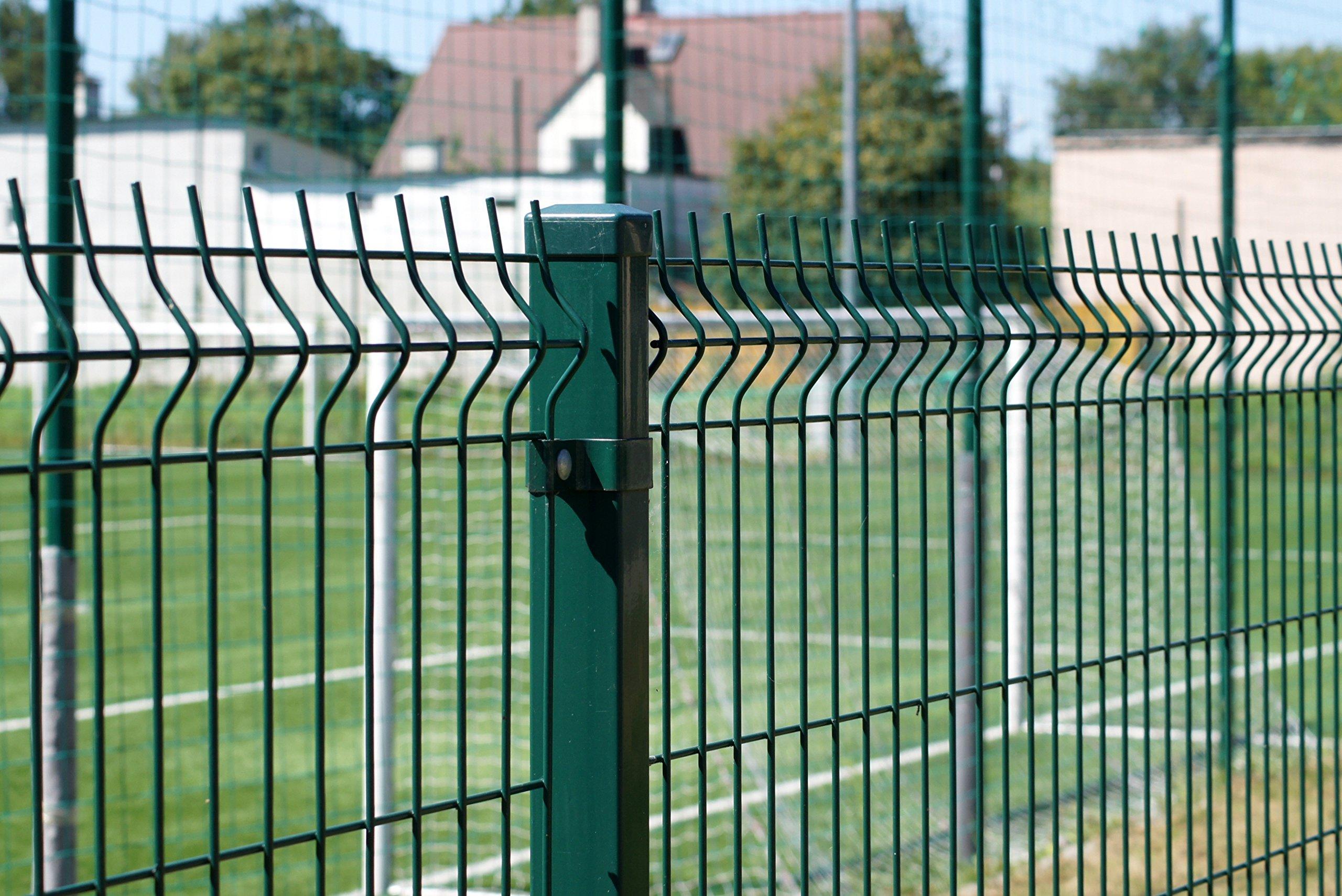
1. 3D fences feature V-shaped reinforcing bends that improve panel rigidity and structural stability without requiring excessively heavy steel materials. 2. The open welded mesh design provides clear visibility, good airflow and a modern appearance, making 3D fences suitable for residential, commercial and industrial applications. 3. Wire diameter, mesh opening, panel height, V-bend design, posts and fixing accessories are key factors to consider when selecting a 3D fence system. 4. With galvanized and powder-coated finishes, customized specifications and controlled manufacturing processes, 3D fences offer practical perimeter protection with convenient transportation and installation.
What Makes Steel Tubular Fences a Durable Perimeter Security Solution?
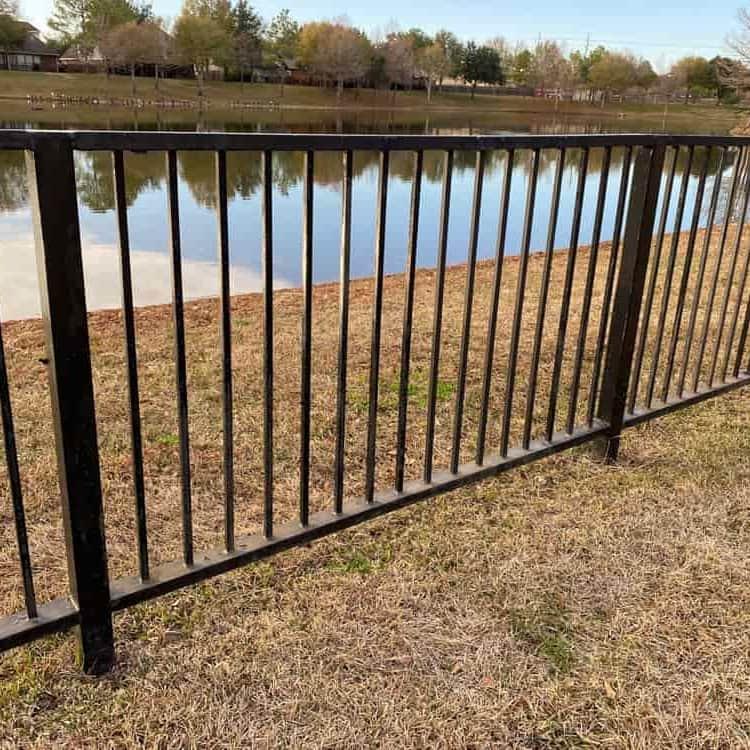
1. Steel tubular fences feature rigid hollow steel structures that resist bending, twisting and impact, making them suitable for demanding perimeter security projects. 2. Hot-dip galvanizing and polyester powder coating provide reliable corrosion and UV protection, helping steel tubular fences perform in coastal, humid and other challenging environments. 3. Strong welding joints, secure connections and anti-tamper bolt options improve structural reliability, while vertical bars and spear-top designs help deter climbing and unauthorized access. 4. With excellent weather resistance, low maintenance requirements and flexible customization, steel tubular fences offer a durable solution for industrial, commercial, public and residential applications.

What Should Contractors Consider When Purchasing Fence Gates?
1. Choosing the right fence gate type according to traffic requirements and site conditions helps contractors ensure convenient access and reliable operation. 2. Matching gate panels with the main fence system in mesh pattern, height, wire diameter and surface finish ensures consistent appearance and easier installation. 3. Strong gate frames, proper reinforcement, corrosion-resistant coatings and high-quality hardware help prevent sagging, rust and frequent maintenance. 4. Evaluating automation, foundation design, delivery time and installation support helps contractors control project costs and reduce on-site problems.
How Double Wire Fences Protect Public Parks and Community Areas
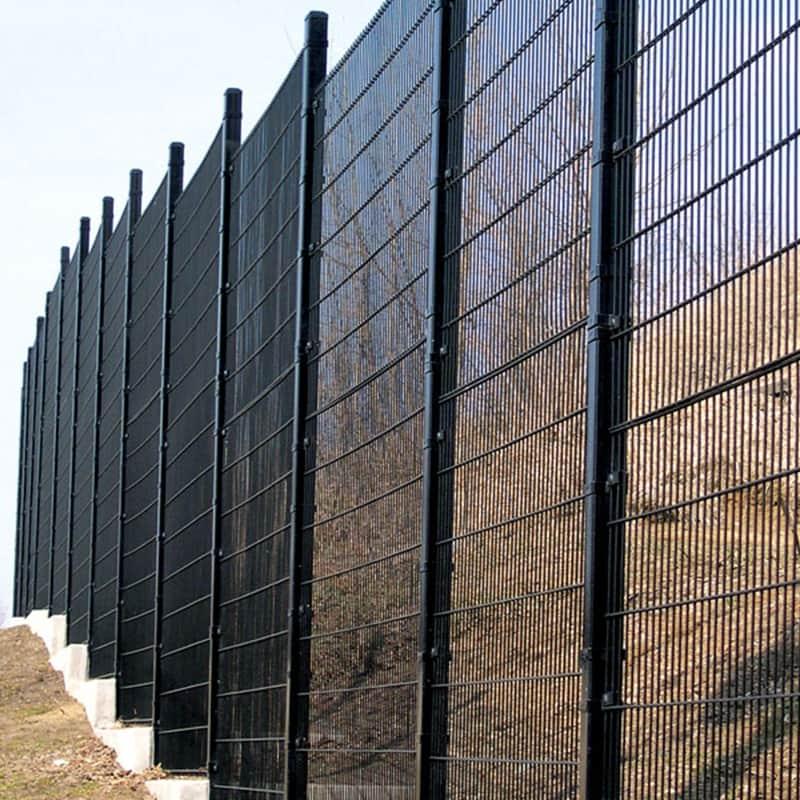
1. Double wire fences feature a reinforced double-horizontal-wire structure that provides excellent rigidity and impact resistance, helping protect parks, green spaces and residential communities. 2. Fully welded mesh panels with smooth edges and no sharp burrs help reduce scratching and clamping risks, creating safer boundaries for children, elderly residents and pedestrians. 3. The dense mesh structure makes climbing difficult and helps prevent unauthorized access and stray animals from entering designated park and community areas. 4. With hot-dip galvanizing and polyester powder coating, double wire fences offer weather resistance, multiple color options and low maintenance. Giant Fence provides customized fence panels, posts, gates and accessories for public projects.

What Factors Affect Roll Top Fence Prices
1. Wire diameter and mesh opening size are major factors affecting roll top fence prices. Thicker wires and smaller mesh openings require more steel and welding, increasing production costs. 2. Taller and longer panels consume more materials, while hot-dip galvanizing and powder coating offer different levels of corrosion protection, appearance and cost. 3. Single or double roll top designs, reinforcement ribs, post thickness and included accessories all influence the strength, quality and total price of a roll top fence system. 4. Bulk orders can reduce unit prices, while customization, steel price fluctuations, packaging and shipping terms affect the final project cost. Giant Fence provides standard and customized roll top fence solutions with matching posts, gates and fittings.

Palisade Fences for Solar Farms: Security and Installation Considerations
1. Reliable Security for Solar Farms: Palisade fences provide strong visual deterrence, anti-climb protection and long-term perimeter security for solar panels, cables and electrical equipment. 2. Choose the Right Palisade Profile: W-section palisade fences offer greater rigidity and impact resistance, while D-section fences can be a cost-effective option for lower-risk areas. 3. Ensure Proper Installation: Site surveys, stable foundations, stepped installation on slopes, vegetation control and suitable gate matching are essential for secure and durable fencing. 4. Customized Solutions for Solar Projects: Giant Fence supplies W- and D-section palisade fence systems, security accessories and technical support for solar farm owners and EPC contractors.